XRP Price Outlook: Support Holds Despite 2025 Decline
XRP Performance in 2025: Q4 Drives the Decline
XRP was down 11.5% in FY 2025, showing the weakest performance in Q4 when the price briefly tested $0.78 and eventually fell 35.3% on the quarter.
According to analysts, that steep decline was attributable to a confluence of factors, including panic retail selling, capital flows out of volatile cryptocurrencies into safe havens, as well as cooling demand for spot ETFs.
Ripple’s Strategic Expansion in Australia
Ripple announced plans to acquire BC Payments Australia, which would allow the company to fast-track obtaining an Australian financial services license.
Additionally, Ripple said it will be joining the Reserve Bank of Australia’s Acacia research project focused on the use of a digital currency.
Infrastructure and AI Initiatives for 2026
Crypto market analysts also note that the company plans to reinforce its network infrastructure in 2026 through the integration of GTreasury and Hidden Road, as well as expand the deployment of AI tools to forecast cash flows in real time.
Technical Outlook: Key Support and Trend Structure
Technically, it makes sense to analyze the price curve across three timeframes.
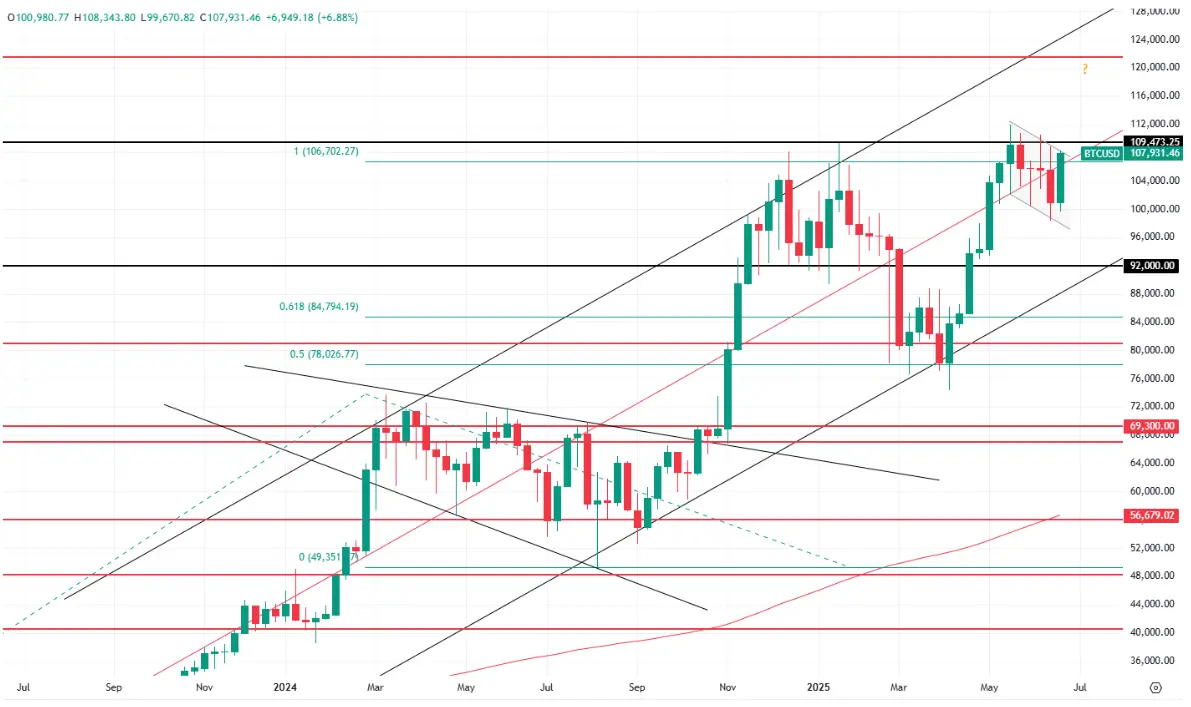
On the longer-term monthly and medium-term weekly charts, the upward trend remains intact.
The weekly timeframe shows that XRP trades near the 200-day MA, while testing its immediate support on the lower bound of the regression channel.
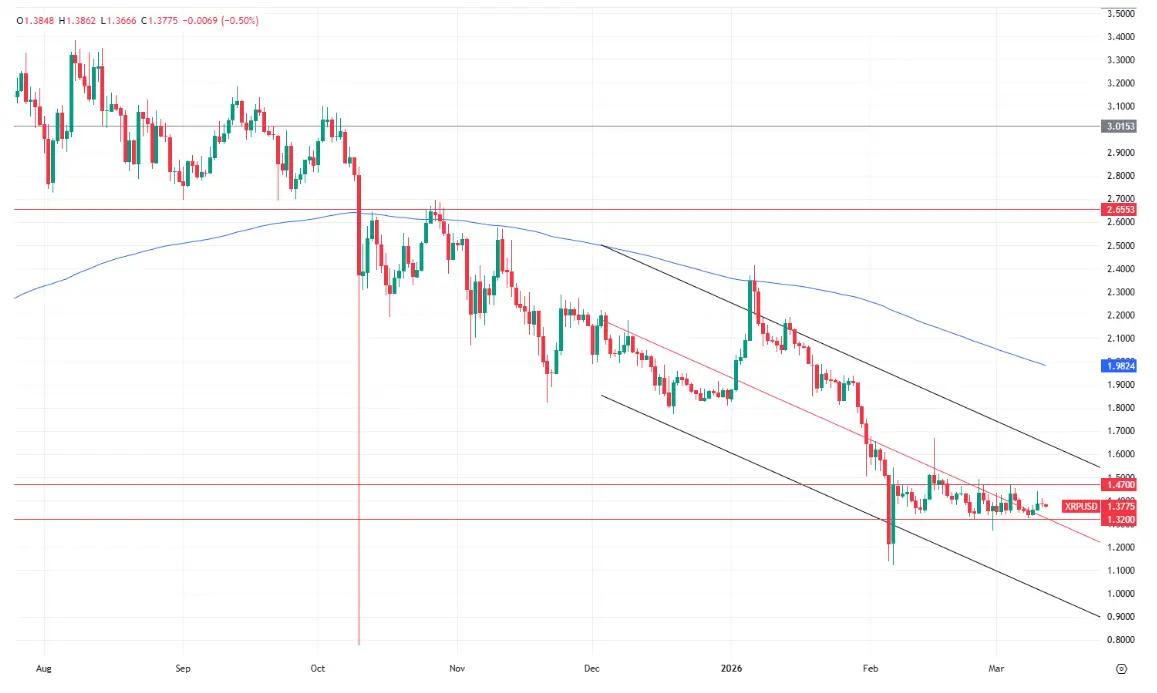
That being said, the shorter daily chart signals that the token is hovering within a support range between $1.32 and $1.47.
In a nutshell, XRP still holds the potential for a rebound and further gains despite short-term bearish momentum.